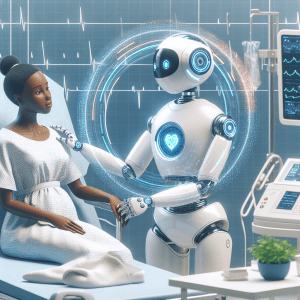
AI is changing how we care for patients, making it faster and more efficient. Imagine a world where healthcare providers can easily access a patient's full history, medication lists, and potential health risks—all in an instant. AI tools can analyze tons of data quickly, helping doctors make better decisions about diagnosis and treatment.
One area where AI shines is in predicting patient outcomes. By looking at patterns in previous cases, AI can help identify who might be at risk for certain conditions before they even develop. This proactive approach means doctors can step in early, improving overall health and saving money on costly treatments later.
AI is also making a big difference in administrative tasks. From scheduling appointments to managing billing, AI tools can handle the busywork so healthcare professionals can focus more on their patients. This shift not only improves efficiency but also enhances the patient experience, making healthcare more accessible and responsive.
Patient engagement is another big win for AI. With the help of chatbots and virtual assistants, patients can get answers to their questions anytime. These tools can remind them about medications, help them book appointments, and even provide information on follow-up care. This level of support empowers patients to take charge of their health.
Streamlining Diagnostics and Treatment
AI is changing the way we diagnose and treat health conditions. It’s all about making things faster and more accurate, which is a big win for both doctors and patients. Imagine a system that can quickly analyze medical images or lab results, providing insights that might take humans much longer to figure out. With AI, doctors can focus more on what really matters—helping you feel better.
One cool application of AI in diagnostics is its role in recognizing patterns in patient data. AI can sift through mountains of information, picking up on trends that indicate potential health issues. This means early detection of diseases like cancer or diabetes, which is crucial. The sooner these problems are spotted, the better the chances of effective treatment.
In terms of treatment, AI is also making waves. Personalized medicine is becoming the norm, thanks to AI systems that analyze your genetics, lifestyle, and other factors to recommend the best treatment plan. It’s like having a tailored strategy just for you, maximizing the chances of success while minimizing side effects.
Plus, AI-powered chatbots are getting popular for patient engagement. They can answer your questions anytime or remind you about medication schedules, making your healthcare experience smoother. This helps you stay on track and ensures you’re getting the support you need.
Overall, AI is streamlining how we approach health. Doctors are becoming more efficient, patients receive timely interventions, and the likelihood of successful outcomes has never been better. It’s an exciting time in healthcare, with technology paving the way to a healthier future for everyone.
Enhancing Medical Research and Discovery
AI is shaking things up in medical research and discovery like never before. Imagine a world where machines crunch data faster than any human could. From analyzing vast amounts of patient records to spotting patterns that can lead to new treatments, AI is proving to be a game-changer.
One exciting area is drug discovery. Traditionally, this process takes years and costs millions. With AI, scientists can predict which compounds might work as effective medications. This speeds up the development process and gets critical treatments into the hands of patients quicker.
Another cool application is in diagnostic tools. AI algorithms can sift through medical images and help doctors spot issues like tumors or fractures with high precision. This not only boosts accuracy but also helps doctors make faster decisions, which can really impact patient outcomes.
AI is also helping to personalize medicine. By analyzing genetic data, it allows for tailored treatments based on an individual's unique biology. This means patients get therapies that are more likely to work for them, reducing the trial-and-error approach that’s been common in healthcare.
With AI leading the way, the future of medical research looks promising. Enhanced accuracy, speed in finding solutions, and personalized care are just a few of the benefits that make AI technology such an exciting frontier in healthcare.
Improving Operational Efficiency in Hospitals
In hospitals, time is everything. Every moment counts when it comes to patient care. That’s where AI steps in to make a real difference. With AI, hospitals can streamline their operations like never before. Imagine reducing wait times, cutting down on paperwork, and having more time to focus on what truly matters: patients.
One way AI boosts operational efficiency is through smart scheduling systems. These systems can analyze patient data and hospital resources to optimize appointment schedules. No more long waits or overbooked slots. Patients get seen quicker, and doctors can manage their time better. It’s a win-win!
AI also helps with managing inventory. Hospitals need to keep track of supplies, medications, and equipment. AI-powered tools can predict what’s needed and when, preventing shortages or waste. This not only saves money but also ensures that everything is ready when it’s needed most.
Another exciting area is patient monitoring. AI can track vital signs in real-time, alerting staff to any changes that might need attention. This proactive approach means quicker responses and better patient outcomes. Healthcare workers can stay focused on care, instead of spending time on routine checks.