AI is shaking things up in healthcare, and it's exciting to see how it’s changing the game right now. From improving diagnostics to personalizing treatment plans, the impact is huge. Imagine doctors getting instant support from AI systems that analyze thousands of medical records in seconds. This means faster diagnoses and more accurate treatment options for patients. It’s like having a super-smart assistant right there in the clinic.
One big area where AI is making waves is in radiology. AI tools can spot anomalies in X-rays and MRIs that a human eye might miss. This doesn’t replace the radiologist, but it definitely enhances their ability to make better decisions quickly. Faster image assessments can lead to quicker interventions, and that often means better outcomes for patients. How cool is that?
Then there’s the world of personalized medicine. AI analyzes genetic information and other personal data to tailor treatments just for you. This means no more one-size-fits-all approaches. Instead, patients get strategies that fit their unique needs. It’s a big leap toward making healthcare more relevant and effective.
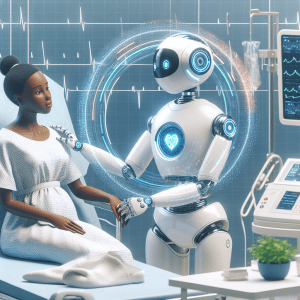
Healthcare chatbots are also on the rise. These little helpers can answer questions, schedule appointments, and even provide basic medical advice, all without the wait. It's a game-changer for busy patients who want quick information. Imagine not having to sit on hold for ages just to ask a simple question!
Impact of AI on Patient Care
AI is changing the game in patient care, making it easier for doctors to provide top-notch treatment. With smart tools that analyze patient data, healthcare providers can spot issues faster. This means quicker diagnoses and more tailored treatment plans. No more waiting around for answers!
One exciting advancement is predictive analytics. This uses AI to identify patients at risk of certain conditions before they even show symptoms. Imagine catching an illness early on, which could lead to better outcomes and even save lives. It’s like having a crystal ball for your health!
AI is also streamlining administrative tasks. Think about how much time healthcare workers spend on paperwork. With AI handling scheduling and patient records, doctors and nurses get to focus on what they do best – taking care of patients. This not only helps reduce burnout but also increases the quality of care.
Plus, AI chatbots are enhancing patient experience. They provide instant responses to common questions, helping patients feel heard and supported. This tech can guide patients to the right resources and even offer reminders for medications. It’s all about making healthcare more accessible and user-friendly!
Transforming Diagnostics with AI Tools
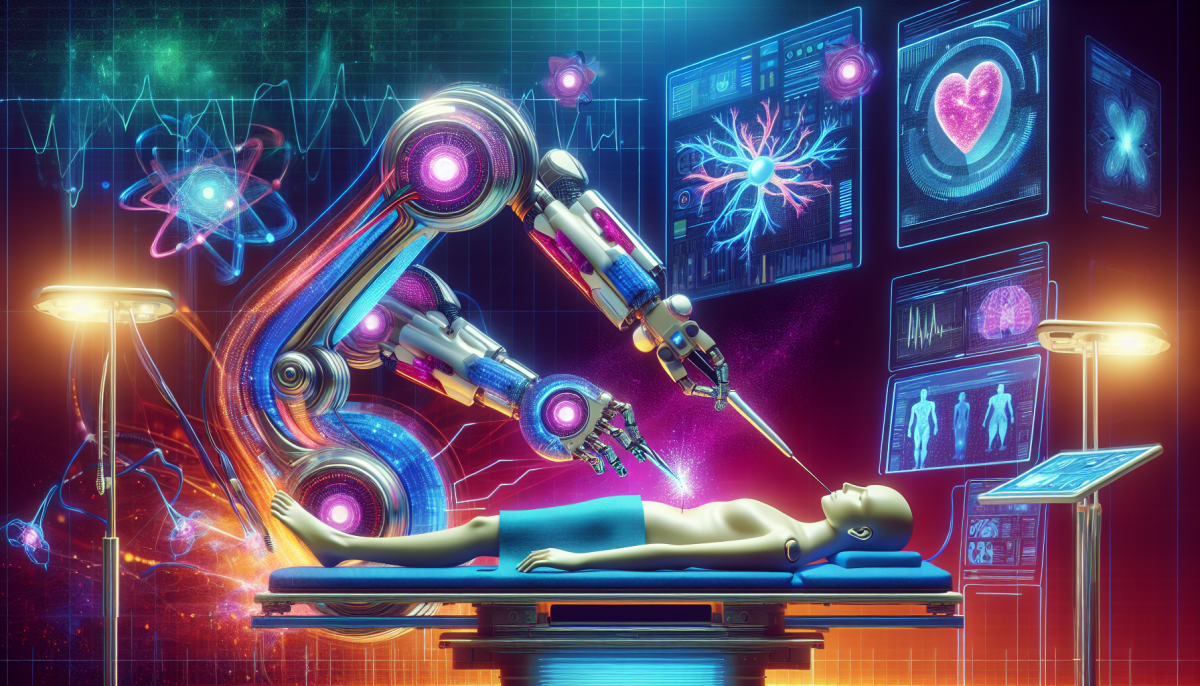
AI tools are changing the game in diagnostics. Imagine a world where machines can analyze medical images faster and more accurately than ever before. That’s what’s happening right now! Radiologists can use AI to help detect conditions like cancers or fractures with impressive precision.
These tools sift through mountains of data. They spot patterns and anomalies that might slip past the human eye. This means quicker diagnoses, leading to earlier treatments. When patients get the right care sooner, it can make all the difference.
AI isn’t just for images, either. It helps in analyzing blood tests and genetic data too. By crunching numbers and identifying trends, doctors can get a clearer picture of a patient’s health. This kind of detail leads to personalized treatment plans tailored to individual needs, which is a major win for patient care.
Plus, AI tools are always learning. They constantly improve as they process more data, becoming even more effective over time. This not only boosts diagnostic accuracy but also builds trust in the technology. As healthcare continues to evolve, AI will play a vital role on the front lines of diagnostics, making healthcare smarter and more responsive overall.
Future of Healthcare with AI Innovations
Imagine walking into a doctor's office and getting analyzed by an AI that knows your medical history inside and out. That's just a taste of what the future of healthcare looks like with AI. These smart systems are transforming how doctors diagnose and treat illnesses. They sift through mountains of data much faster than any human could, spotting patterns and suggesting treatment plans that might be a perfect fit for each patient.
AI can enhance preventive care too. Picture an app that tracks your health metrics daily, alerting you to potential issues before they become serious. It’s like having a personal health coach in your pocket! This proactive approach helps catch problems early, keeping us healthier for longer. It’s all about treating patients as individuals, which AI does by analyzing personal data and medical trends tailored specifically to each person.
Then there’s the benefit of reduced costs. AI tech can streamline administrative tasks, allowing healthcare providers to focus on what really matters: patient care. When systems handle billing, patient scheduling, and data entry, doctors spend less time on paperwork and more time with patients, which improves the overall experience for everyone involved.
Telehealth is another area where AI shines. Thanks to machine learning, virtual consultations are getting smarter and more efficient. From diagnosing conditions through video calls to setting up treatment plans, AI makes healthcare accessible, even if you live miles away from the nearest clinic. It breaks down barriers and lets people get the help they need, no matter where they are.